

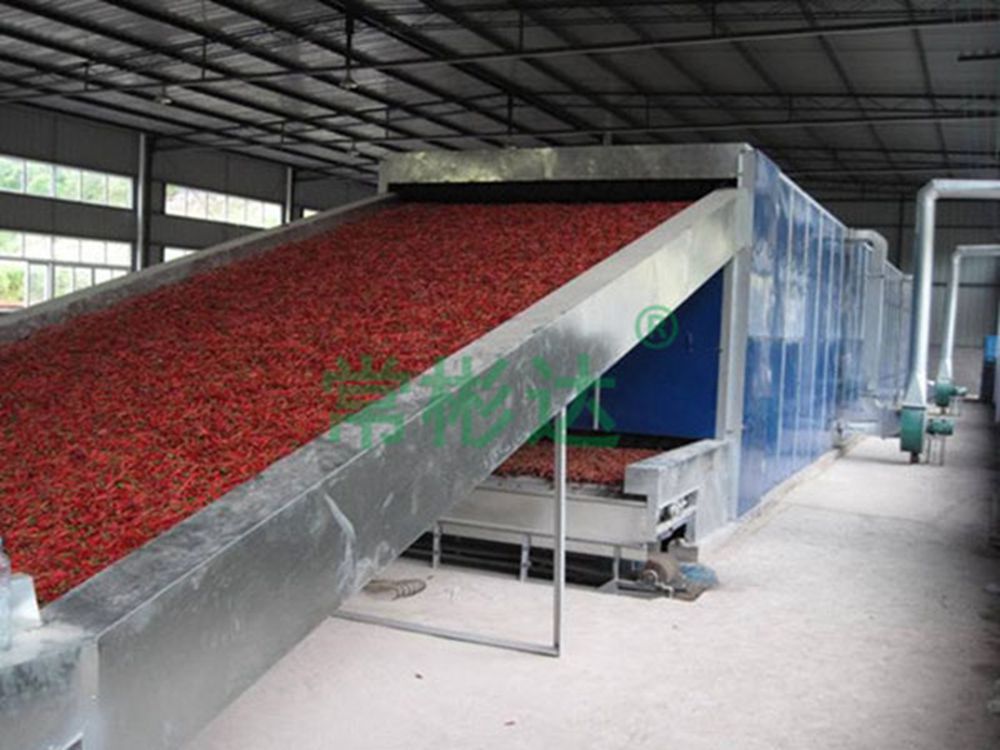
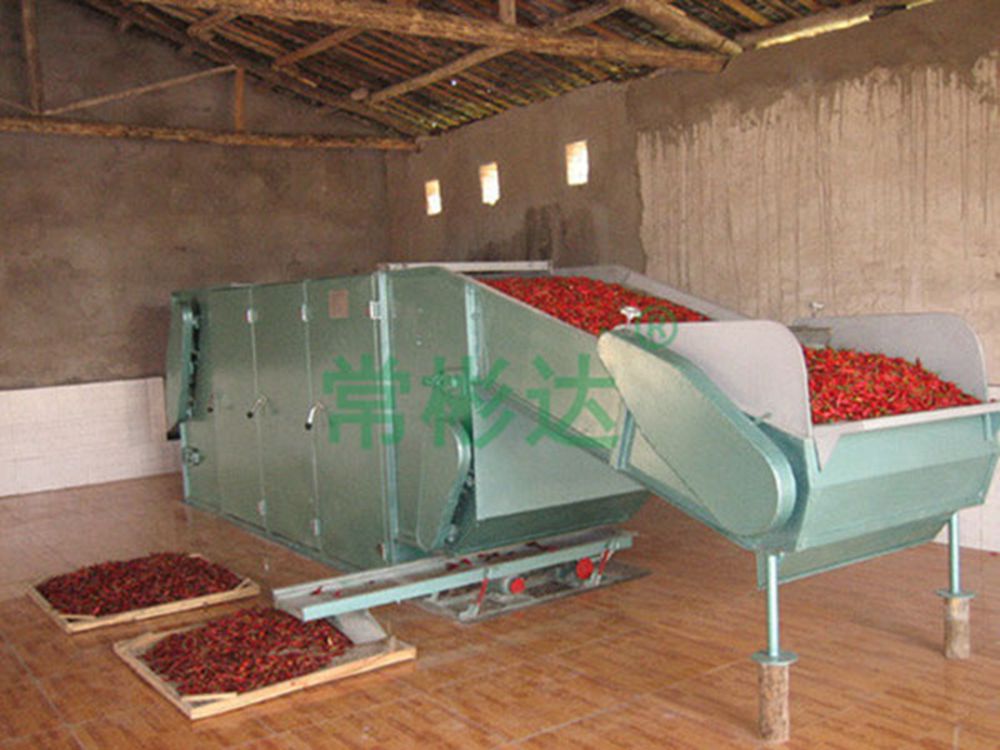
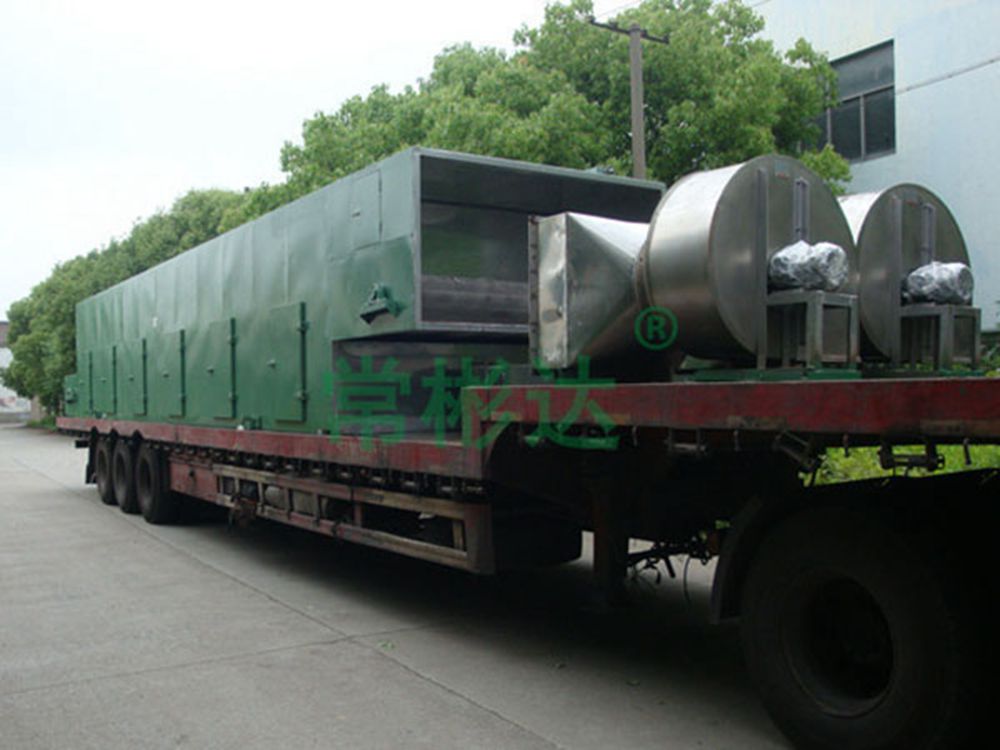
Product Overview :
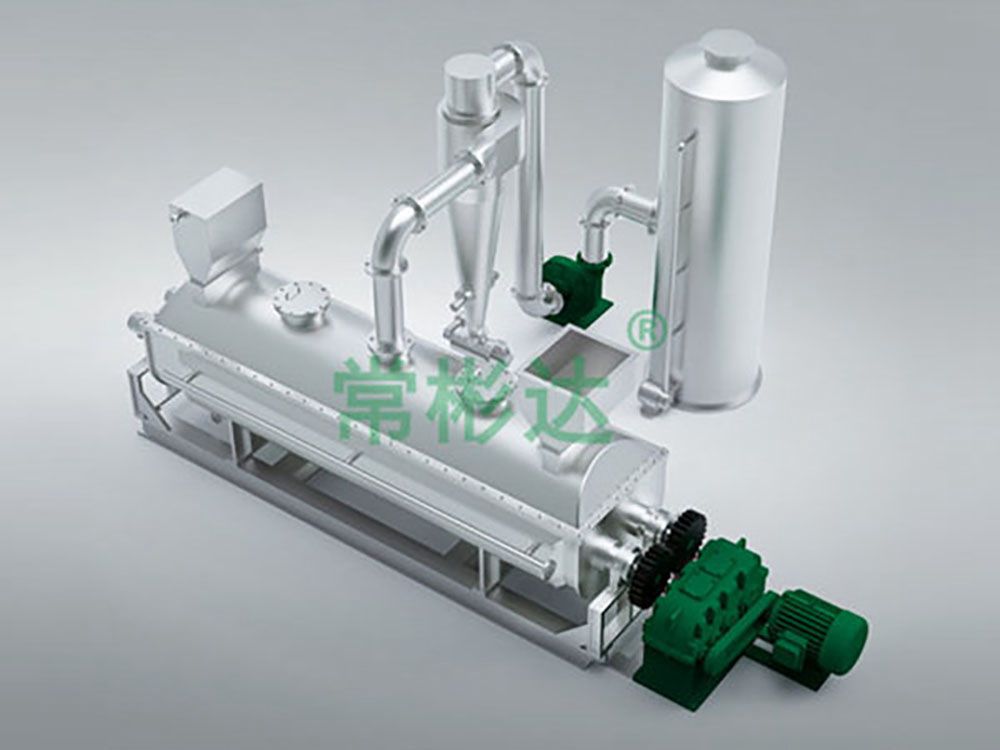
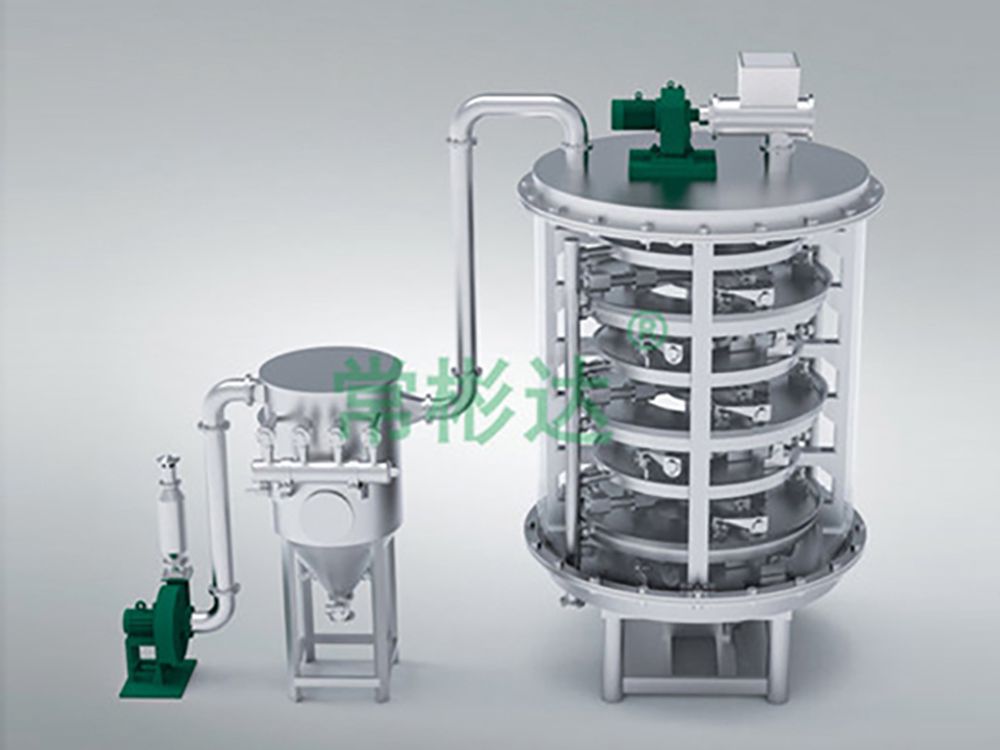
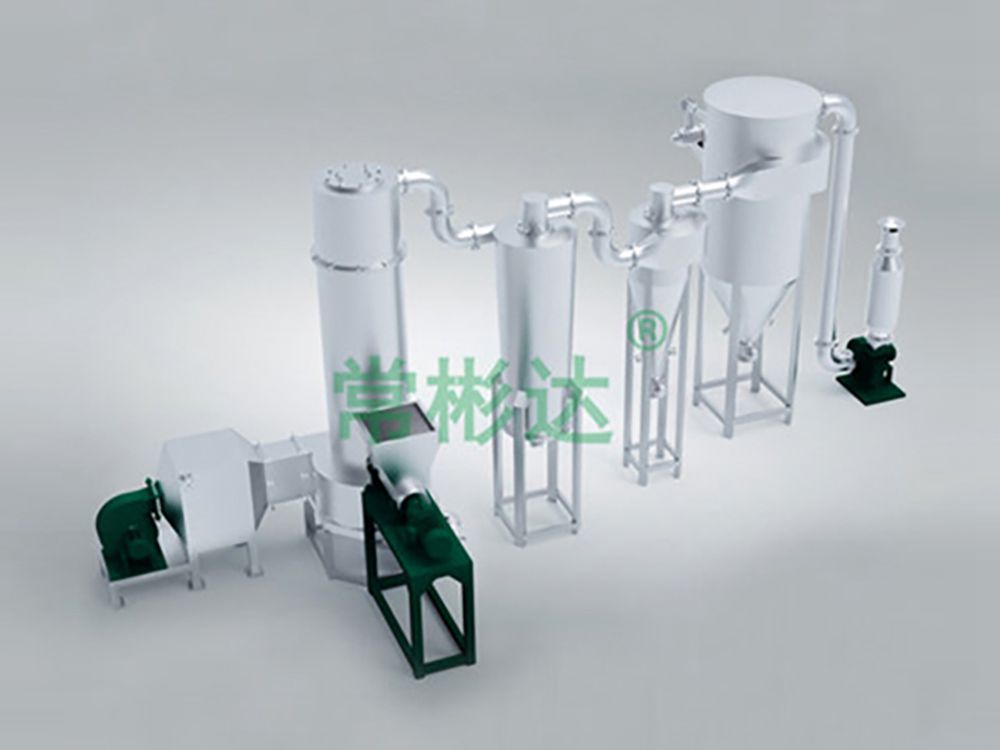
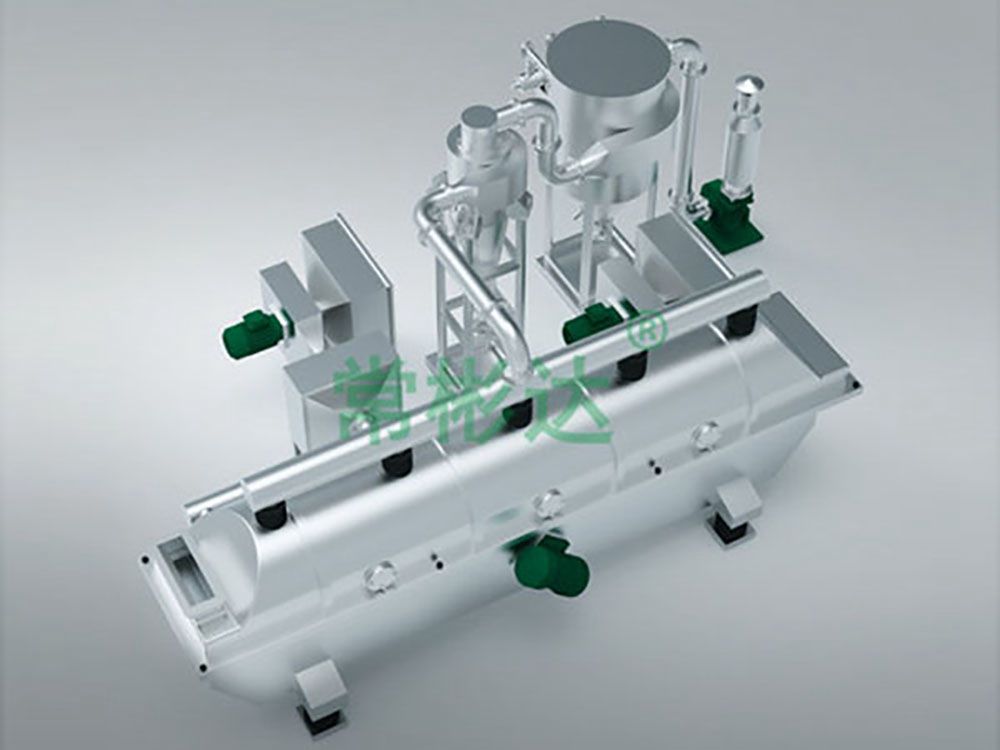
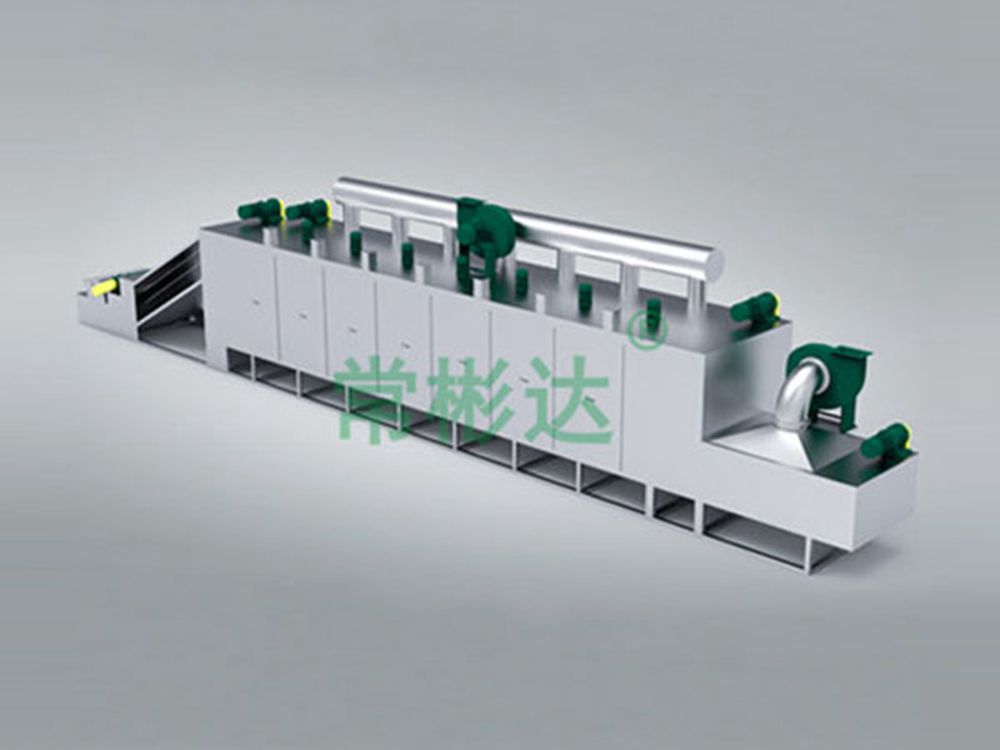
The vegetable dehydration dryer consists of main components such as a feeder, drying bed, heat exchanger, and dehumidification fan. When the dryer is working, the cold air is heated by a heat exchanger, and a scientifically reasonable circulation method is used to make the hot air flow through the dried material on the bed surface for uniform heat and mass exchange
Product Introduction
DWC dehydration dryer is a specialized equipment developed on the basis of traditional mesh belt dryer, which has strong pertinence, practicality, high energy efficiency, and is widely used for dehydration and drying of various regional and seasonal vegetables and fruits. Such as garlic slices, pumpkin, konjac, white radish, yam, bamboo shoots, etc. When producing equipment for users, we design and manufacture suitable vegetable drying equipment based on the characteristics of the required drying products, user process requirements, and decades of accumulated experience.
Working principle
The vegetable dehydration dryer consists of main components such as a feeder, drying bed, heat exchanger, and dehumidification fan. When the dryer is working, the cold air is heated by a heat exchanger, and a scientifically reasonable circulation method is used to make the hot air flow through the dried material on the bed surface for uniform heat and mass exchange. The hot air flow in each unit of the machine is circulated by the circulation fan, and finally the low-temperature and high humidity air is discharged, completing the entire drying process smoothly and efficiently.
Performance Features
Drying area, air pressure, air volume, drying temperature, and belt running speed can all be adjusted to adapt to the characteristics and quality requirements of vegetables.
Different process flows and necessary auxiliary equipment can be added according to the characteristics of vegetables.
Suitable for materials
It can meet the drying and large-scale continuous production of vegetable materials such as roots, stems, leaves, strips, blocks, sheets, and large particles, while maximizing the retention of the nutritional content and color of the product.
Typical dry materials include garlic slices, pumpkin, carrots, konjac, yam, bamboo shoots, horseradish, onions, apples, etc.
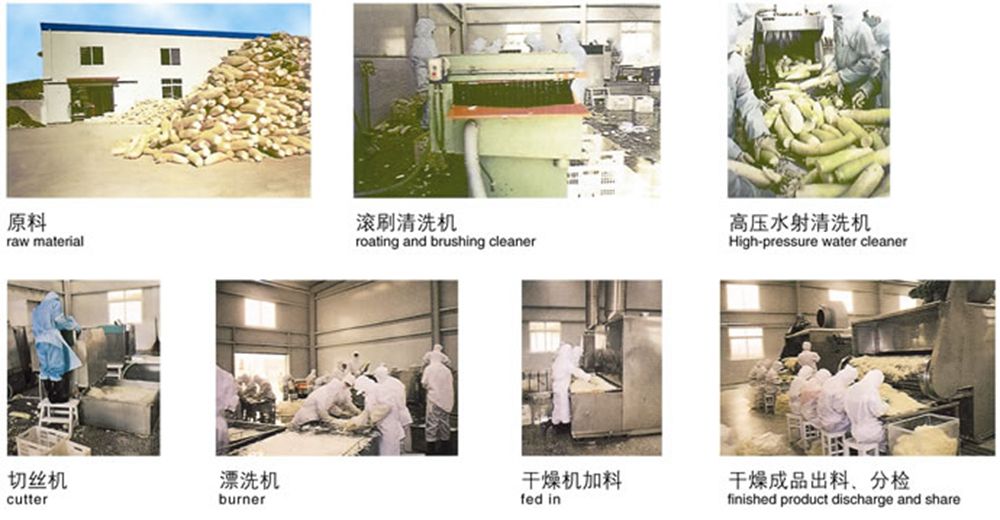
Process Flow Diagram

The 26th IE Expo China 2025 has come to a successful conclus···
25.04.26The 2025 Chengdu International Environmental Protection Expo···
25.04.06Exhibition Information: April 21-23, 2025, IE Expo China 202···
25.03.28Exhibition Information: April 1-3, 2025, Chengdu Internation···
25.03.28Application field, operation and maintenance of spray dryer
25.01.18Working principle and performance characteristics of spray d···
25.01.18PLG2200 * 14 layer rubber additive disc continuous dryer is ···
24.05.27Drifting across the ocean, continuing the front line
24.04.08Restart, customization of ammonium sulfate drying production···
24.02.26