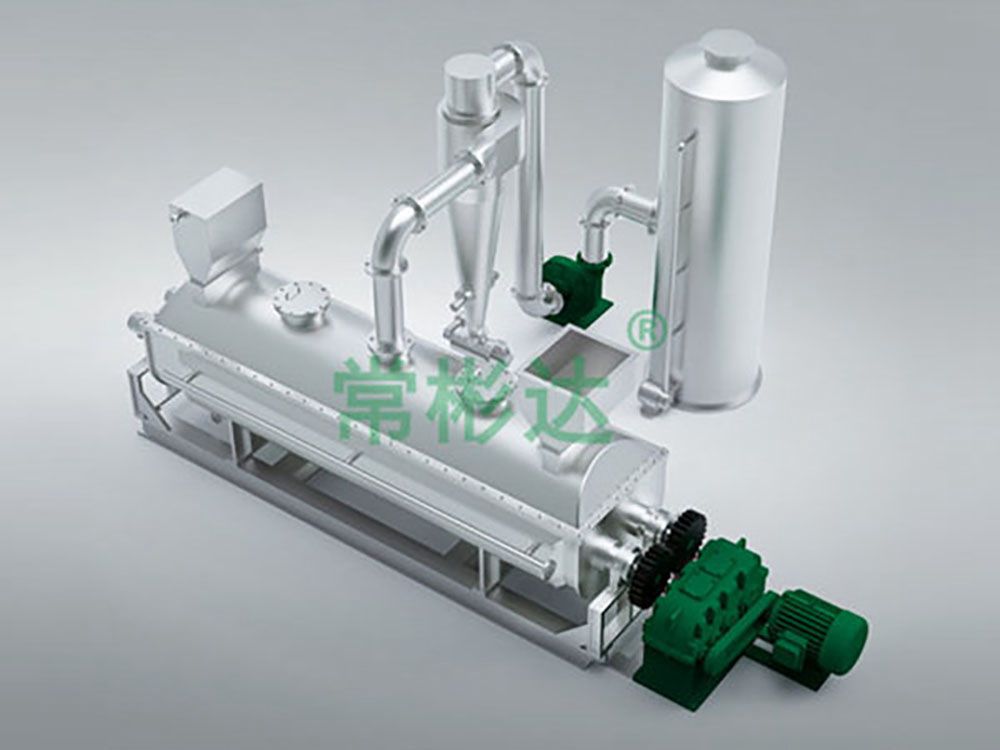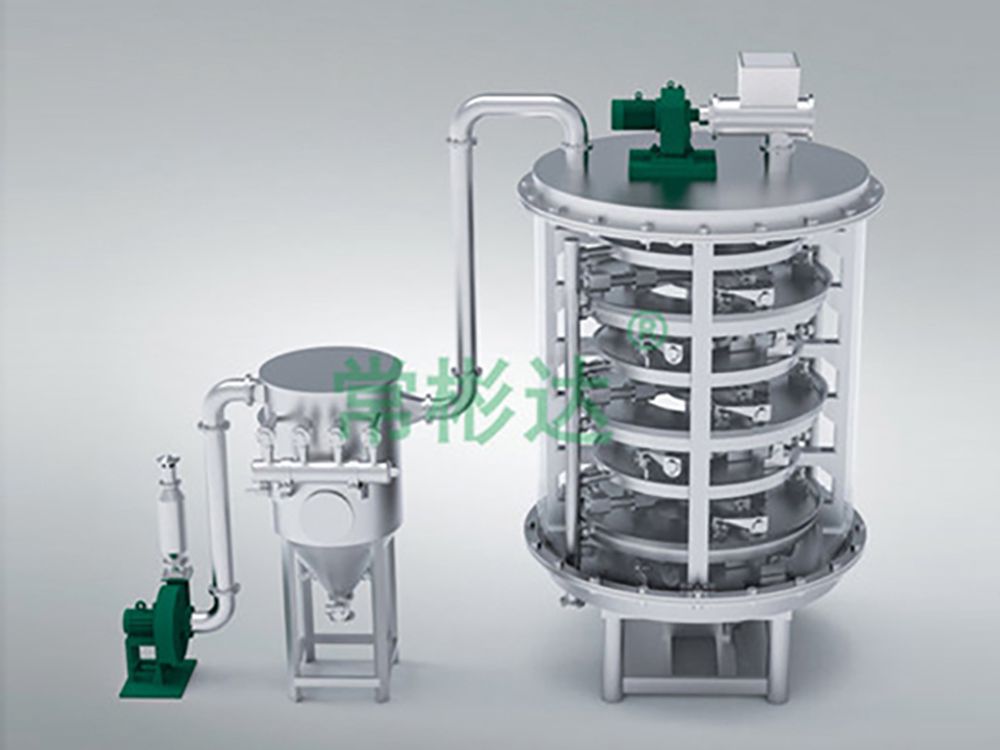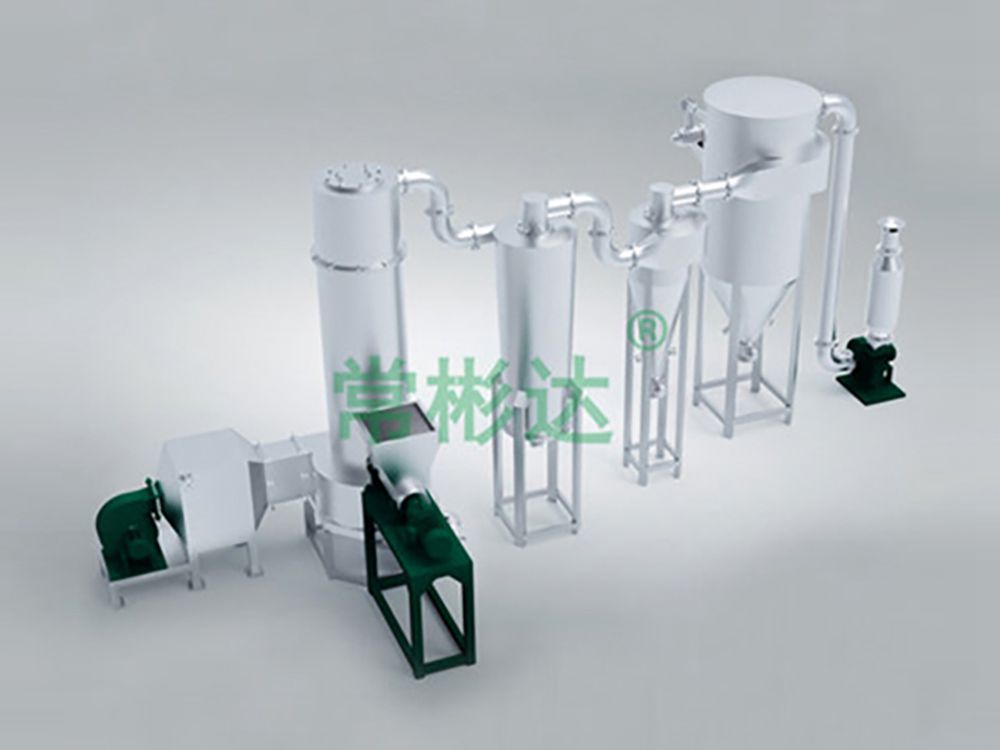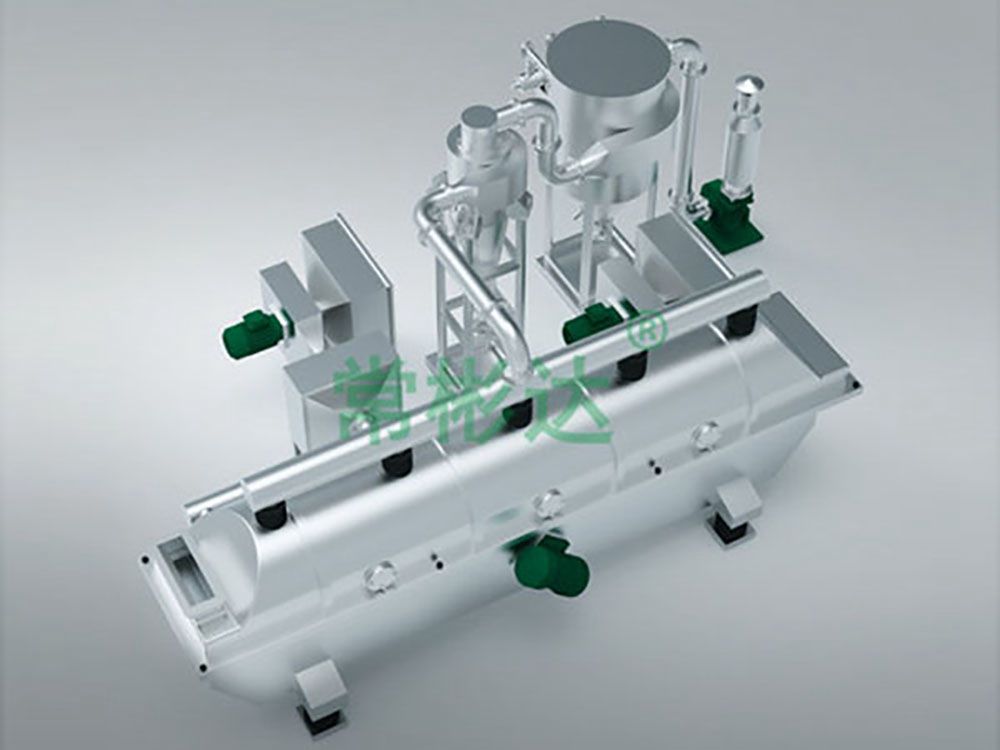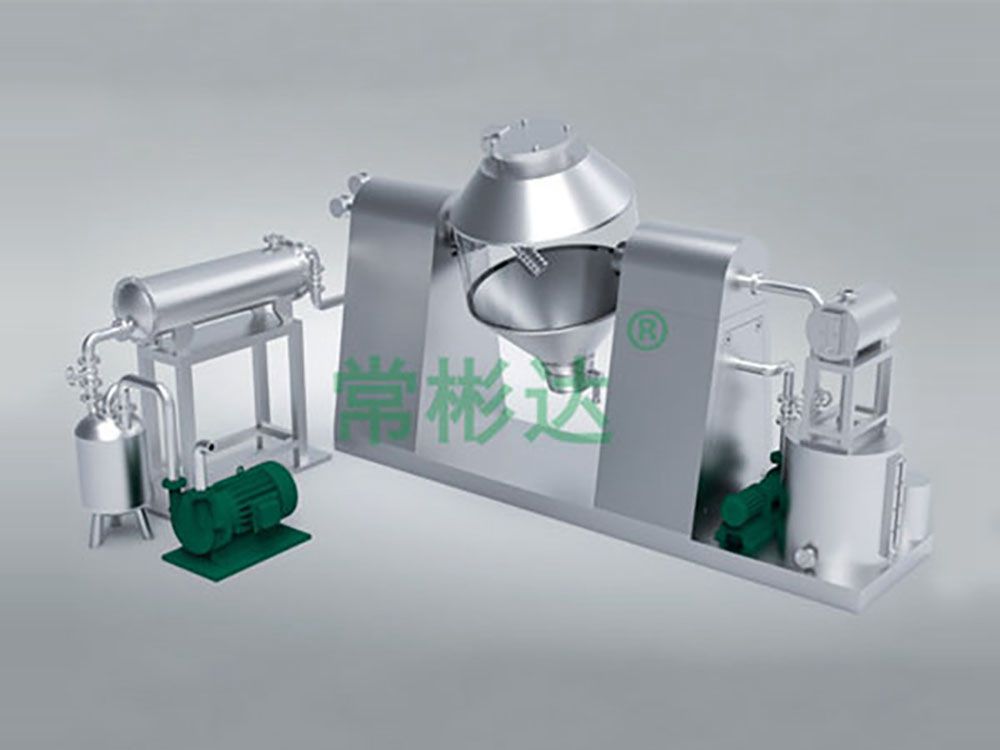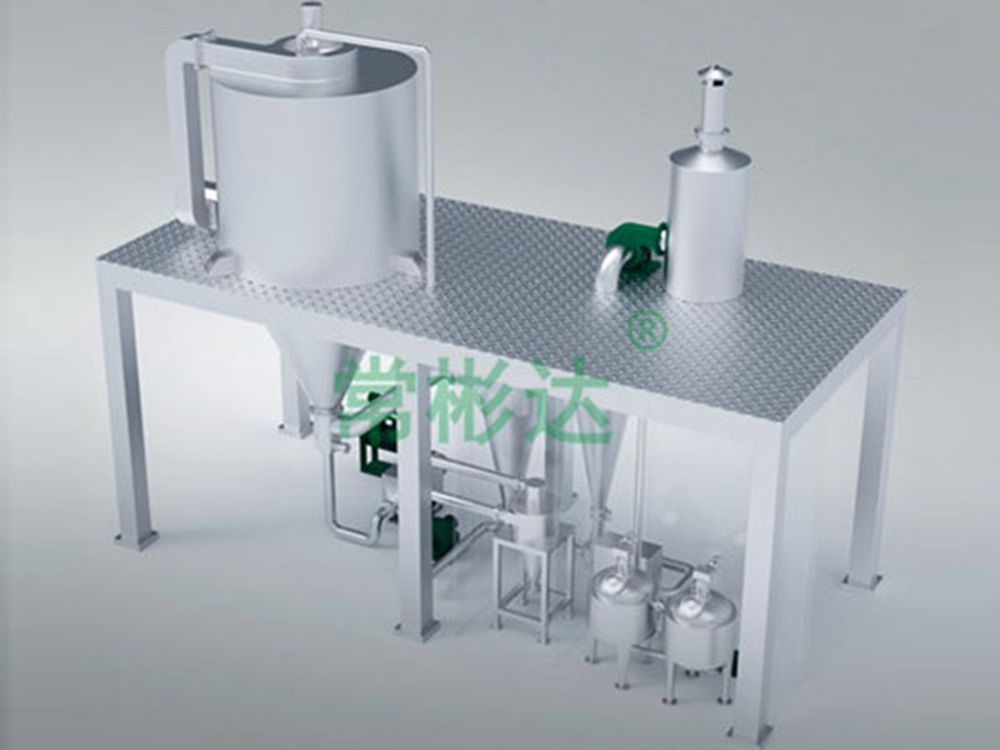


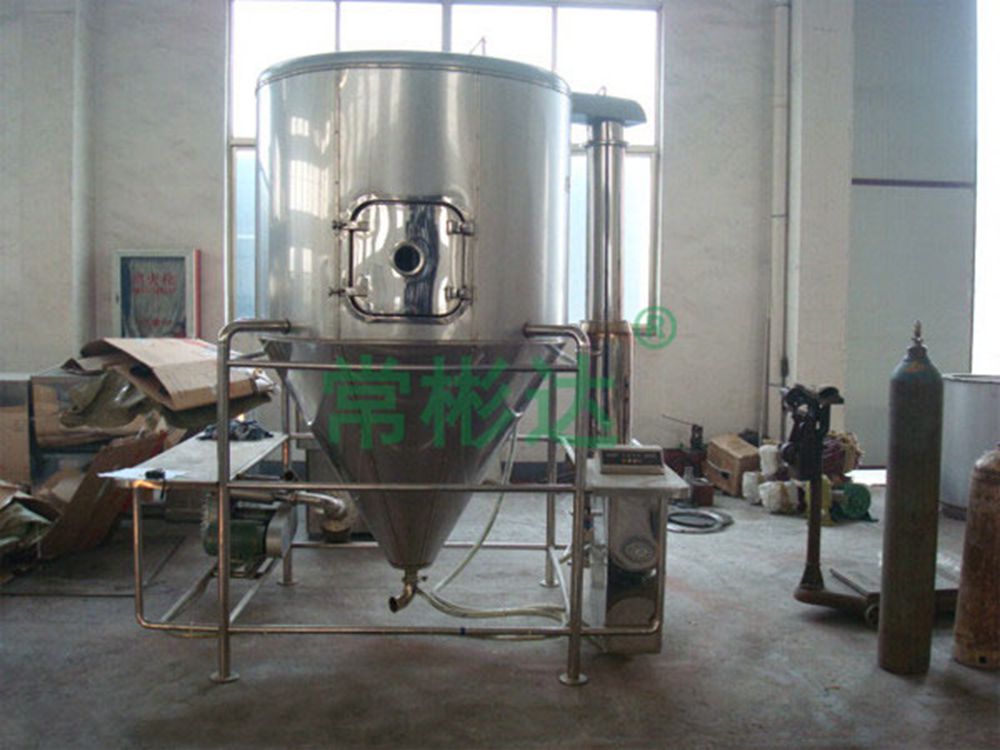
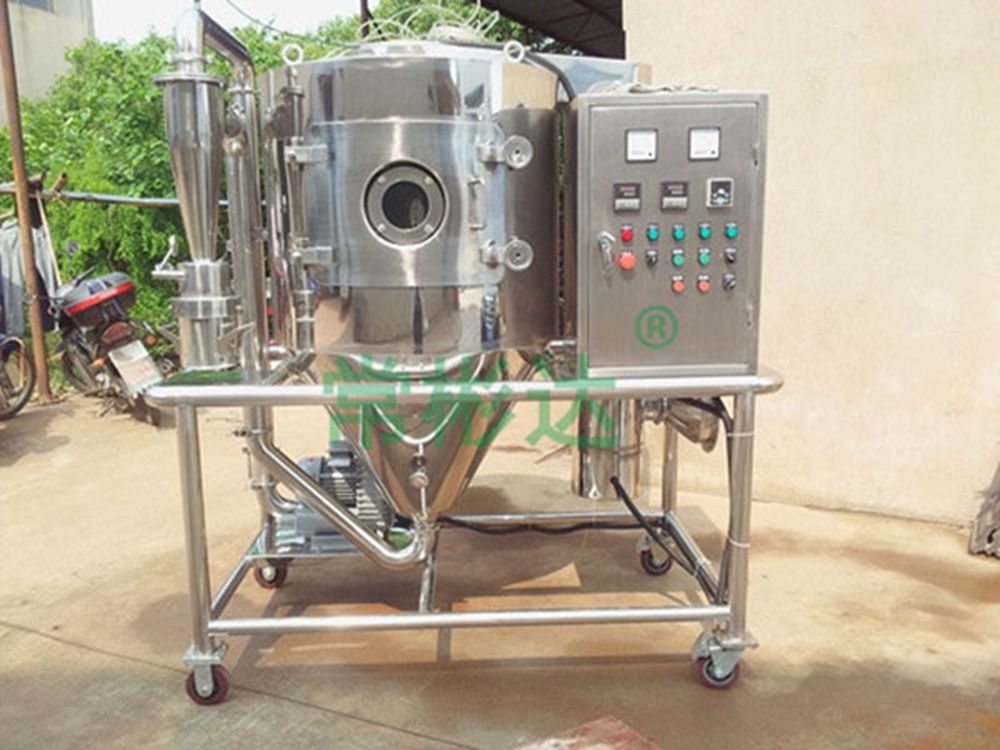
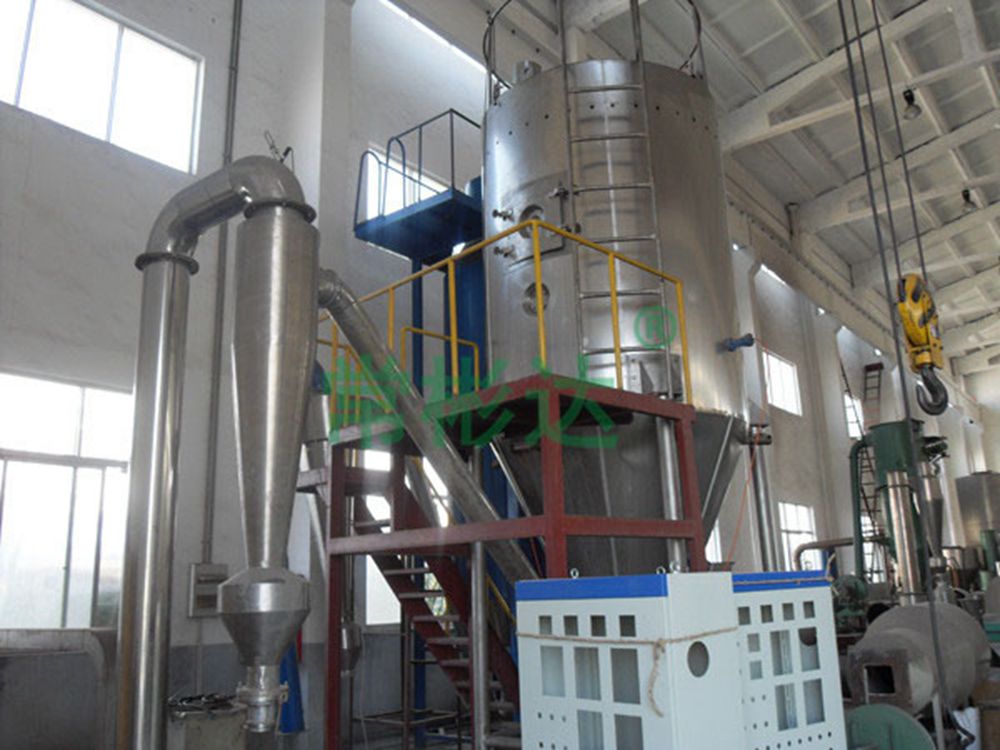
Product Overview :
Spray drying is widely used in liquid forming and drying industries. It is especially suitable for generating powdery and granular solid products from solution, lotion, suspension and paste liquid raw materials.
Product Introduction
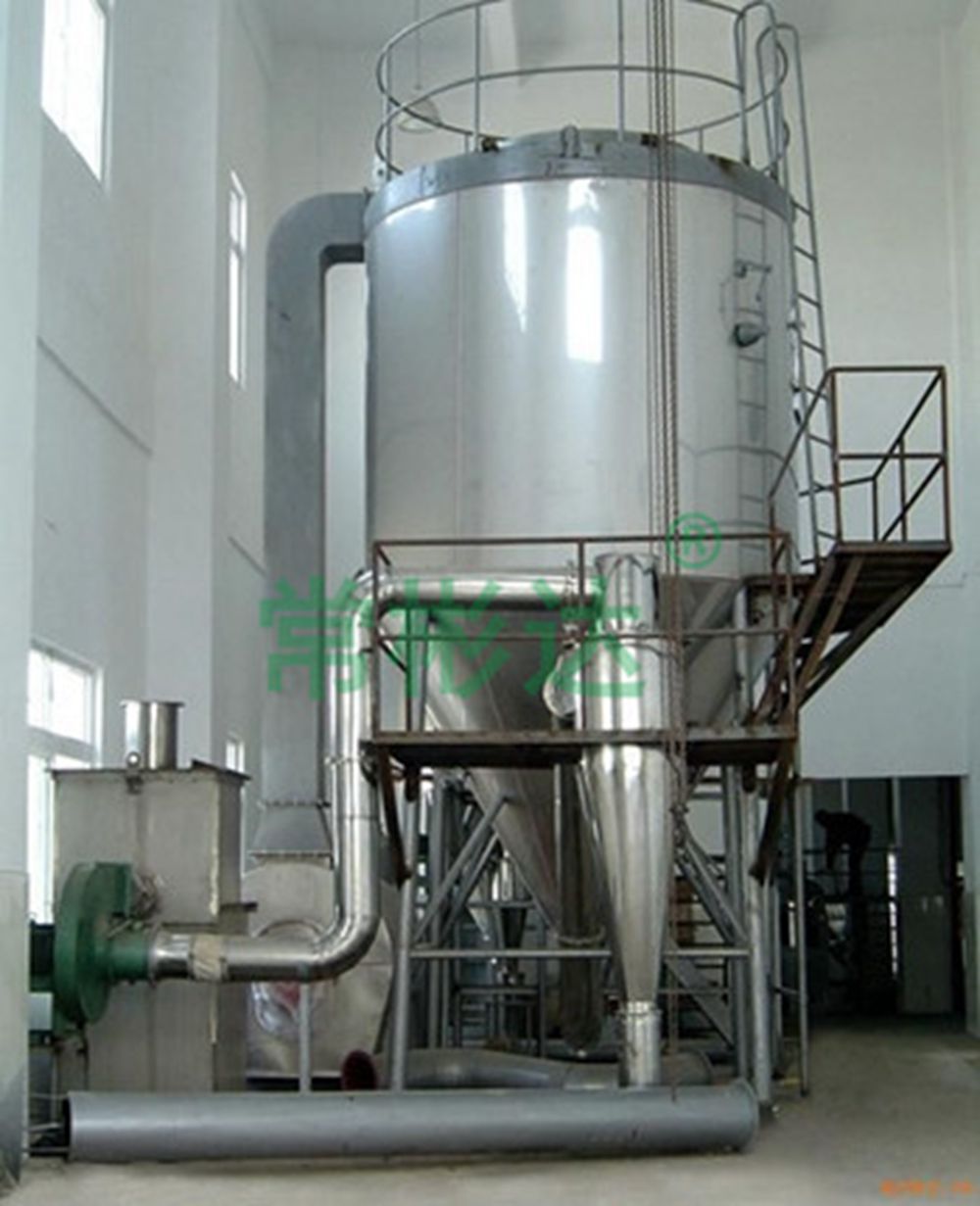 Spray drying is widely used in liquid forming and drying industries. It is suitable for generating powder and granular solid products from solution, lotion, suspension and paste liquid raw materials. Therefore, spray drying is a very ideal process when the particle size distribution, residual moisture content, bulk density and particle shape of the finished product must meet accurate standards.
Working principle
Air is filtered and heated, and enters the top air distributor of the dryer. The hot air enters the drying chamber uniformly in a spiral shape.
. The feed liquid passes through the high-speed centrifugal atomizer on the top of the tower body, and (rotating) spray into extremely fine mist like liquid beads, which can be dried into finished products in a very short time in parallel with hot air. The finished product is continuously output from the bottom of the drying tower and the cyclone separator, and the exhaust gas is discharged by the fan.
Performance characteristics
◎ Fast drying speed, the surface area of the material liquid is greatly increased after atomization. In the hot air flow, 95% -98% of the water can be evaporated instantly, and the drying time is only a few seconds, especially suitable for drying heat sensitive materials.
◎ The product has good uniformity, fluidity, and solubility, high purity, and good quality.
◎ The production process is simplified and the operation and control are convenient. For liquids with a moisture content of 40-60% (up to 90% for special materials), they can be dried into powder products in one go without the need for crushing and screening, reducing production processes and improving product purity. The particle size, bulk density, and moisture content of the product can be adjusted within a certain range by changing the operating conditions, making control and management very convenient.
Suitable materials:
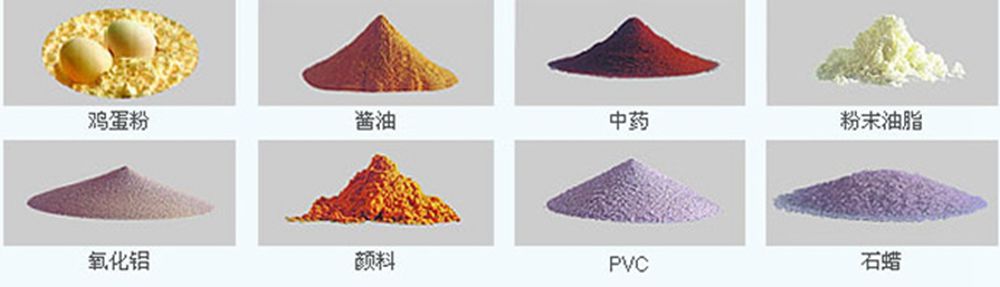
Chemical industry: sodium fluoride (potassium), alkaline dye pigments, dye intermediates, compound fertilizers, formaldehyde silicate, catalysts, sulfuric acid agents, amino acids, white carbon black, etc.
Plastic resin: AB, ABS lotion, urea formaldehyde resin, phenolic resin, sealant (urea) formaldehyde resin, polyethylene, PVC, etc.
Food industry: high-fat milk powder, keratin, cocoa milk powder, milk replacer powder, hunting blood powder, egg white (yellow), etc.
Food and plants: oats, chicken juice, coffee, instant tea, spice meat, protein, soybeans, peanut protein, hydrolysates, etc.
Carbohydrates: corn syrup, corn starch, glucose, pectin, maltose, potassium sorbate, etc.
Ceramics: aluminum oxide, ceramic tile materials, magnesium oxide, talc powder, etc.
Ordering Notice
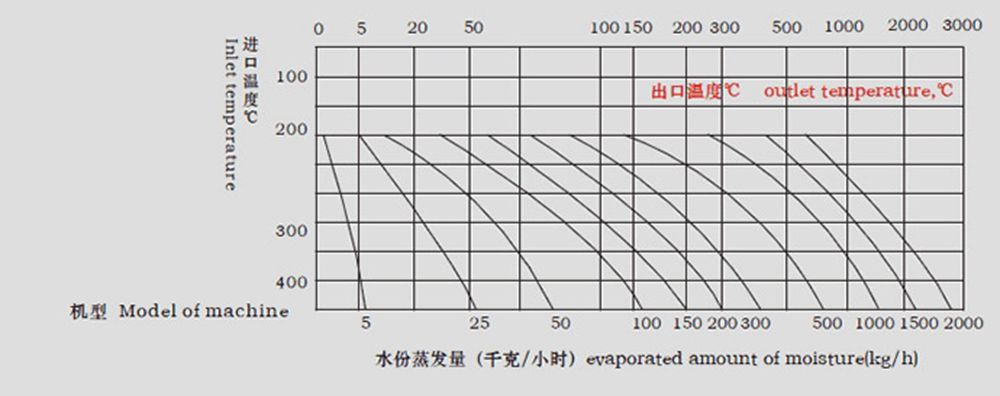
◎ Liquid name and physical properties: solid content (or water content), viscosity, surface tension, pH value.
◎ Powder capacity after drying, allowable residual moisture content, particle size, and maximum allowable temperature.
◎ Production and daily shift schedule.
◎ Available energy: steam pressure available, electrical capacity, available for coal, oil, and gas.
◎ Control requirements: whether the inlet and outlet temperatures need to be self controlled.
◎ Powder collection requirements: whether to install bag filters and environmental requirements for exhaust emissions.
◎ Other special requirements.
The 26th IE Expo China 2025 has come to a successful conclus···
25.04.26The 2025 Chengdu International Environmental Protection Expo···
25.04.06Exhibition Information: April 21-23, 2025, IE Expo China 202···
25.03.28Exhibition Information: April 1-3, 2025, Chengdu Internation···
25.03.28Application field, operation and maintenance of spray dryer
25.01.18Working principle and performance characteristics of spray d···
25.01.18PLG2200 * 14 layer rubber additive disc continuous dryer is ···
24.05.27Drifting across the ocean, continuing the front line
24.04.08Restart, customization of ammonium sulfate drying production···
24.02.26